

Brand guidelines are one of the most underrated assets a business can possess. When implemented effectively, they can increase revenue by 10–20% and boost brand recognition by up to 80%. Yet despite 85% of organisations having brand guidelines, only 30% actually use them regularly. This gap represents a significant opportunity for businesses willing to invest in creating and enforcing comprehensive brand rules that ensure brand consistency.
This guide covers everything you need to know about brand guidelines: what they are, why they matter, how to construct them, the core elements to include, and the common pitfalls that undermine even the best-intentioned brand efforts
What Are Brand Guidelines?
Brand guidelines, also known as a brand style guide, brand book, or brand identity guidelines, are a set of rules that define the overall look and feel of your brand. They document how your brand should be presented across all platforms, ensuring that your audience can recognise you wherever they encounter your business, whether on your website, social media, packaging, or marketing materials.
A comprehensive brand style guide outlines everything from your typography and signature colours to your tone of voice and mission statement. Think of it as your brand's rulebook, providing all the instructions needed to communicate the right messages in the right manner every time you create marketing materials.
The strongest brand guidelines have evolved beyond static PDF documents into dynamic brand systems that are digital, shareable, and interactive. Modern guidelines often live in a collaborative brand platform where updates, assets, and templates are centralised for actual, regular use across your internal team and external partners.
Brand Guidelines vs Brand Identity
It's important to understand the distinction between these two terms. Your brand identity consists of the choices you make about how you want your brand to look and sound in the world: your visual aesthetic, voice, and overall personality. Brand guidelines are the documented rules that help you communicate a more consistent brand identity through clearly defined brand elements. The guidelines serve as the roadmap for presenting your identity to the world.
Why Brand Guidelines Matter
The business case for brand guidelines extends far beyond aesthetic consistency. Here are the compelling reasons why every business, regardless of size, should prioritise developing them to stay fully brand consistent across every channel.
Revenue Impact
Brand consistency delivers measurable financial returns. Companies can expect a 10-20% increase in growth when their brand is consistently maintained. In fact, 33% of businesses report that brand consistency boosts revenue by 20% or more. Conversely, lack of consistency can result in a 10-20% revenue loss.
Customer Recognition and Trust
Consumers need to see your brand at least seven times before they commit to a purchase decision. When you use the same branding guidelines across your marketing collateral, including your blog posts, social media posts, and advertisements, you build the repetition that drives brand recognition and keeps your visual elements and visual aspects feeling consistent and instantly recognizable. Customers who have an emotional relationship with a brand have three times higher lifetime value, and 82% of customers buy from a brand when they have a high emotional connection, compared to only 38% of those with a low emotional connection.
Operational Efficiency
Brand guidelines dramatically reduce decision-making time and eliminate opinion-based debates among team members. When clear brand standards exist, teams can quickly narrow down their best options without endless meetings. Employees don't need to repeatedly confirm they're using the brand correctly, reducing project downtime and helping everyone stay on the same page.
Competitive Differentiation
Inconsistent branding accounts for a 56% damage to brand credibility, making it nearly 30% harder to compete in the market. With a clearly consistent brand theme supported by intentional design elements, audiences are more likely to pay attention and remember you amidst the vast sea of content they encounter daily. Clean, unified visual elements contribute to a strong visual identity that feels trustworthy.
Employee Alignment
For small and medium-sized enterprises, a brand guidelines document helps new employees get up to speed quickly. All the important information about your brand is consolidated in one place, enabling staff to speak confidently on behalf of your business.
The Essential Elements of Brand Guidelines
Every comprehensive brand guide should include the following components, each serving a specific purpose in maintaining brand consistency.
Brand Story and Core Values
Your brand story defines why you exist and who you serve. This foundational section should include your mission statement (a concise statement articulating your brand's purpose beyond making profit), your vision statement (illustrating long-term aspirations), and your core values (3-10 principles or beliefs that drive your company).
This section should make new employees, agencies, or partners feel connected to your "why" because a brand guideline that explains what to do is good, but one that explains why it matters is great.
Logo Usage and Specifications
Your logo is your visual signature and one of the most important aspects of your brand's visual identity. Most brand guides devote multiple pages to rules surrounding acceptable logo use. Define the following:
Primary and secondary logo versions for different situations
Clear space requirements (the negative space around your logo that helps avoid competing visuals)
Minimum size specifications (typically in pixels for digital and millimetres for print)
Colour variations including full colour, monochrome, and reversed versions
Placement rules on different backgrounds
Examples of misuse to avoid (stretching, distorting, altering colours inappropriately)
For example, logo usage guidelines might specify that a favicon must always be 16 x 16 pixels, while the minimum digital size for a wordmark should be 20 pixels; exactly the kind of small details a clear guide explains and includes examples for.
Colour Palette
Colour increases brand recognition by up to 80%. Your palette should specify:
Primary colours (the core brand colours used most frequently)
Secondary colours (supporting colours for flexibility)
Neutral colours (backgrounds, text colours)
Colour codes in Pantone, CMYK (for print), HEX, and RGB (for digital) formats, with clear hex code references
Modern brand systems also include light and dark mode palettes to ensure legibility, accessibility, and consistency across all digital devices. Include guidelines on approved colour combinations and which colours should never go together.
Typography
Typography conveys your brand's personality and needs clear definition. Specify:
Primary typefaces for headlines and emphasis
Secondary typefaces for body copy and supporting text
Font hierarchy including sizes for headers (H1, H2, H3) and body text
Weight variations (bold, regular, light)
Line spacing (leading) and letter spacing (tracking) rules
Web-safe alternatives when custom fonts aren't available
In 2025, many brands are embracing variable fonts: flexible, responsive type that adapts across digital platforms, for smoother performance and better user experience.
Brand Voice and Messaging
Consistent voice and tone strengthens recognition just as much as a recognisable logo. Your voice should align with your brand's identity and audience.
Voice is constant: your brand should always sound like your brand, regardless of the channel or situation. Tone is how your voice adapts to different situations; for example, the tone you use with a customer who's just made a purchase differs from how you'd speak to a frustrated customer.
Specify:
3-5 adjectives that describe your brand voice (for example, friendly, authoritative, playful)
Example phrases showing your voice in action
Words and phrases to avoid
Do's and don'ts for different contexts (marketing, customer service, internal communications)
Grammar and punctuation conventions (including whether you use the Oxford comma)
Consider how brands like Nike use a bold, ambitious, aspirational tone, while IKEA maintains a homely, active, helpful voice that emphasises ease and stress-free experiences; a great example of capturing buyer personas with clarity.

Photography and Imagery
Imagery visually communicates your brand's mood and values. Define:
Photo style guidelines (composition, lighting, colour grading)
Subject matter appropriate for your brand
Model direction if using people (authentic vs posed, diverse representation)
What to avoid (overly staged photos, stock clichés, inconsistent editing)
Illustration style if applicable
Recent trends have seen brands leaning toward authentic, people-first photography, favouring real moments over polished stock imagery. For example, Dell's brand guidelines specify that people in their photography should always look "honest, diverse, active and authentic" with lifestyle images that are never posed.
Application Guidelines
With omnichannel communication now standard, include guidelines for:
Templates and standards for social posts and ad copy.
Email signatures and newsletter formats
Print materials (business cards, letterheads, brochures)
Website and digital applications
Packaging if applicable
Internal communications
Consistency in human and automated messaging helps protect your brand reputation and strengthens trust.
How to Create Brand Guidelines: A Step-by-Step Process
Creating effective brand guidelines requires both strategic thinking and practical documentation.
Step 1: Gather and Align Stakeholders
Before documenting anything, bring together leadership, brand, marketing, and creative teams to confirm your mission, vision, and values. This ensures everyone is aligned from the start so your brand guidelines reflect what your company actually stands for and how your brand presents itself.
Step 2: Conduct Brand Research
Start by gathering, analysing, and interpreting data to understand how your brand is currently perceived. This includes:
Qualitative research through focus groups and in-depth interviews
Quantitative research via surveys measuring brand awareness and perception
Secondary research examining market trends, competitor performance, and social media sentiment
Step 3: Create a Mood Board
Whether you work with an agency or create guidelines yourself, a mood board is a helpful starting point. Create two folders: one for visual references that align with how you want your brand to look, and another for how you don't want it to look. Include thoughts about your audience, potential taglines, value propositions, and words to avoid.
Step 4: Define Your Brand Personality
Your brand personality informs all subsequent decisions. Distil your brand into three to five adjectives that define its character. These words and the feelings they evoke will guide everything from colour choices to copywriting tone.
Ask yourself: What do we want customers to feel and think when they interact with our brand? What makes us different from competitors?
Step 5: Develop Your Core Brand Assets
Create the visual and written assets you'll use repeatedly:
Logos (wordmark, icon, and combination versions)
Colour palette with all necessary codes
Typography suite with clear hierarchy
Photography library or style guidance
Illustrations and iconography if applicable
Step 6: Set Rules
For each asset, clearly explain how to use it correctly. Include:
Specifications (sizes, spacing, colours)
Approved applications showing correct usage
Prohibited applications showing what to avoid
Contextual guidance for different platforms and situations
This is also where you define essential logo rules so assets are used consistently.
Step 7: Choose Your Format and Platform
Decide where your brand guidelines will live. Options include:
| Format | Best For | Considerations |
|---|---|---|
| PDF Document | Small businesses, initial guidelines, offline access | Static, harder to update, can become outdated |
| Digital Platform | Growing businesses, distributed teams, frequent updates | Interactive, always current, more accessible |
| Intranet / Internal Website | Established companies with IT infrastructure | Integrated with existing systems, password-protected |
| Dedicated Brand Portal | Enterprise organisations, multiple brands | Centralised asset management, collaboration features |
Modern best practice favours digital brand guidelines over static PDFs. Digital guidelines offer real-time updates, multimedia flexibility, version control, and integration with design tools. As one expert noted, PDFs "tend to be put in a drawer and stay there, becoming increasingly stagnant, irrelevant and non-consulted".
Step 8: Implement and Train
Once your guidelines are complete, don't just publish them: embed them. Run training sessions, build interactive templates, and ensure your teams use them every day. Establish channels for stakeholders to suggest improvements or report inconsistencies.
Common Brand Guidelines Pitfalls (And How to Avoid Them)
Even well-intentioned brand efforts can fall short. Here are the most frequent mistakes and how to sidestep them.
Inconsistency Across Platforms
The problem: Your brand looks like it has multiple personalities depending on where it's seen, whether on your website, social media, or marketing materials. Inconsistency confuses your audience and dilutes your brand message, making your brand forgettable or untrustworthy.
The solution: Develop comprehensive guidelines covering everything from logo usage and your brand's color palette to typography and tone of voice. Ensure every piece of content, regardless of platform, aligns with these standards.
Ignoring Your Target Audience
The problem: Branding based on personal preference rather than tailored to appeal to your target audience. 71% of customers switch brands due to misaligned values or poor messaging.
The solution: Conduct thorough market research. Understand the demographics, preferences, and pain points of your target audience. Your branding should speak to them directly, addressing their needs and aspirations.
Overcomplicating Design
The problem: Using too many colours, fonts, or elements in an attempt to stand out. Complex designs can be overwhelming and often fail to communicate the intended message clearly.
Embrace simplicity. A clean, straightforward design can be powerful and memorable. Focus on one or two key elements that represent your brand essence; something much easier to achieve when you’re not overloading your system with unnecessary color variations.
Failing to Enforce Guidelines
The problem: Having guidelines but not implementing or enforcing them. Despite 95% of companies having brand guidelines, only 25% actually enforce them. Without enforcement, brand identity becomes diluted over time.
The solution: Make guidelines readily accessible to all stakeholders. Implement review workflows where brand or marketing teams check new content for compliance. Conduct regular brand audits, especially when updating assets like your brand’s logos, to ensure consistency.
Static, Outdated Documentation
The problem: PDF guidelines that were created once and never updated. Brands naturally evolve, and static documents quickly become irrelevant.
The solution: Adopt digital brand guidelines that can be updated in real-time. Regularly review and revise guidelines to ensure they reflect your current brand identity and meet current design practices. Many teams often store assets like logo files and color codes centrally so updates happen seamlessly.
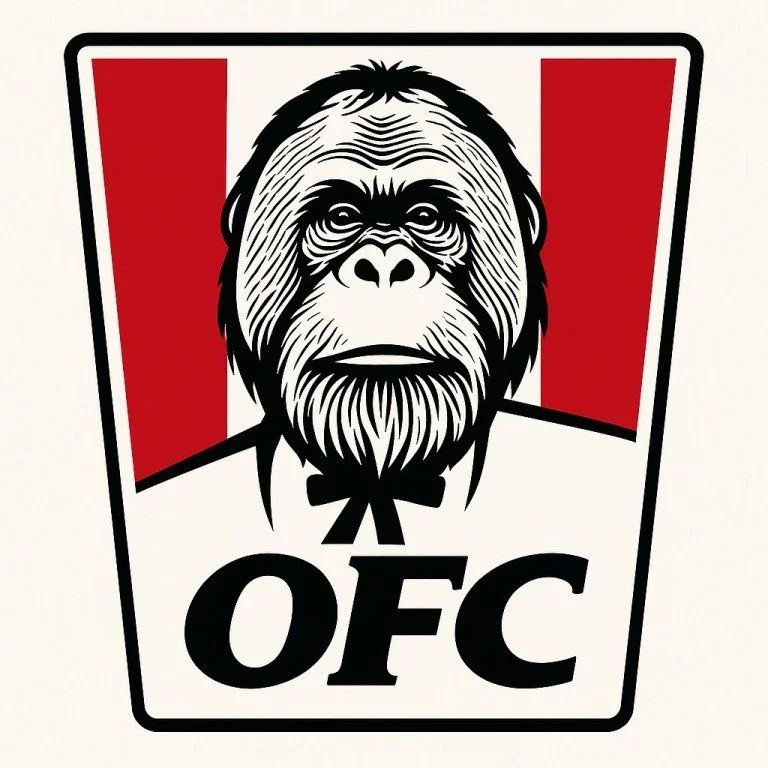
Choosing Trends Over Authenticity
The problem: Emulating competitor trends or design fads that don't align with your brand's core identity. This disconnect weakens brand credibility.
The solution: Always ask whether a new approach will come across as authentic and consistent with what your brand stands for. Be clear about your mission, values, and unique selling proposition before adopting visual changes; especially major ones like a new logo.
No Defined Brand Strategy
The problem: Jumping straight into visual design without establishing the strategic foundation. Not defining your brand strategy is like setting sail on a ship without a clear destination.
The solution: Before creating visual assets, outline your brand’s purpose, values, positioning, and target audience. This strategic compass guides all subsequent branding decisions and keeps everything cohesive, from messaging to graphic design choices.
Neglecting Brand Guidelines Altogether
The problem: 15% of companies don't have brand guidelines at all, leaving their identity open to inconsistent interpretation.
The solution: Even a basic brand guide covering logo, colours, fonts, and tone of voice is better than nothing. Start simple and expand over time as your brand matures.
Brand Guidelines for Small Businesses
For SMEs, resources are often limited, making a clear brand strategy even more critical. It ensures that every marketing pound is spent effectively and that all efforts focus on building a strong, recognisable brand.
Small businesses should focus on:
Defining purpose and audience first: this makes every subsequent branding decision easier
Creating consistent messaging and visuals across all touchpoints, even if the touchpoints are limited
Developing a brand story that differentiates you in crowded markets
Starting with essentials (logo, colours, typography, voice) and expanding later
Research shows that branding consistency led to revenue growth of 10-20% for small firms. Strong branding helps small businesses compete beyond price by creating differentiation, allowing them to charge higher prices and attract more loyal customers.
Best Practice Examples
Several brands exemplify excellence in brand guidelines:
Spotify showcases sophisticated colour usage with duotone photography that became instantly recognisable across digital platforms. Their guidelines demonstrate how a tech brand can evolve from functional positioning into lifestyle territory.
Slack's brand guide stands out for operational detail, particularly around co-branding scenarios and trademark usage. It includes explicit layouts for different content types and even compliance integration for GDPR, CCPA, and HIPAA.
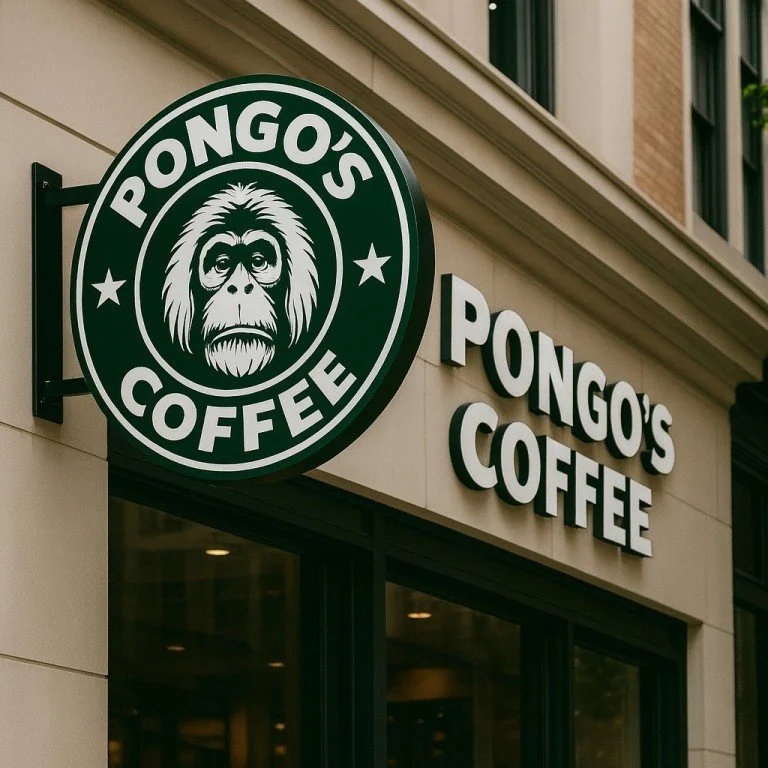
Starbucks demonstrates brand evolution through their green palette development and Siren logo guidelines, balancing global brand recognition with local market sensitivity. This includes thoughtful decisions about signature colors to maintain consistency across markets.
Instagram's brand portal is a highly visual, interactive experience that brings its most recognisable elements, including font, gradients, and layouts, to life, ensuring any branded material feels unmistakably Instagram.
These examples prove that the best brand guidelines systems empower teams to express a brand's essence confidently and consistently without stifling creativity; something you often see in truly beautiful brand guidelines.

The Future of Brand Guidelines
Brand guidelines continue to evolve with technology and working practices:
AI integration is becoming standard, with guidelines including AI tone parameters for training generative tools to maintain brand voice
Interactive digital formats are replacing static PDFs, offering real-time collaboration and embedded asset downloads
Accessibility considerations are increasingly important, including dark mode palettes and WCAG compliance guidance
Modular systems allow brands to maintain consistency while adapting to diverse markets and cultural contexts
Companies that treat guidelines as living tools rather than static references will build stronger customer relationships, drive sustainable growth, and create meaningful competitive advantages.
Getting Started
Creating brand guidelines doesn't require a massive budget or a dedicated branding team. Start with the essentials: your logo, colours, typography, and voice, and document how each should be used. As your business grows and your brand matures, expand your guidelines to include photography, social media templates, and more nuanced application rules.
The most important step is simply to begin. Even basic guidelines ensure your brand maintains its integrity across every customer interaction, building the recognition and trust that ultimately drives business success.
How We Can Help
Brand guidelines are only valuable when they're actually used. Many small businesses invest time and resources into creating comprehensive guidelines, only to watch them gather dust in a shared folder or forgotten PDF. The difference between a small business that thrives and one that merely survives often comes down to implementation, consistency, and strategic thinking.
If your brand guidelines exist but aren't driving results, or if you're not sure where to start with building them from scratch, Ysobelle Edwards specialises in helping small businesses like yours turn brand strategy into tangible, working systems that your entire team can use confidently every day.
Whether you need help defining your brand story and values, creating a visual identity system that actually gets used across your marketing channels, or developing clear documentation that keeps everyone aligned, We work with small businesses to build brands that stand out and perform.
The goal isn't just beautiful guidelines on paper. It's a brand system that becomes embedded in how you communicate, how your team operates, and ultimately, how your customers perceive you. That's where real competitive advantage lives.
Ready to transform your brand from inconsistent to compelling? Get in touch to discuss how brand guidelines tailored to your small business can drive growth, reduce decision-making friction, and build the customer recognition you deserve.
Frequently Asked Questions
-
Brand guidelines are a set of documented rules that define how your brand should look and sound across all platforms. They include specifications for your logo, colours, typography, tone of voice, and imagery. Think of them as your brand's rulebook, ensuring consistency in how you communicate with customers whether on your website, social media, packaging, or marketing materials.
-
Brand guidelines typically appear as a comprehensive document or digital platform containing visual examples and specifications. They include your logo with usage rules, colour codes in multiple formats (HEX, RGB, Pantone), typography samples with hierarchy, photography style examples, tone of voice guidelines, and application templates for different channels like social media and email.
-
The seven key elements include: purpose and mission, target audience definition, brand positioning, brand personality, visual identity (logo, colours, typography), tone of voice and messaging, and brand values. These elements work together to create a cohesive strategy that differentiates your business, guides decision-making, and builds customer recognition and loyalty.
-
The five pillars are: brand purpose (why you exist), brand positioning (your unique place in the market), brand personality (how you're perceived), brand promise (what you deliver to customers), and brand experience (how customers interact with you). Together, these pillars create a strong foundation for all branding decisions and communications.
-
Brand consistency increases revenue by 10-20% and boosts recognition by up to 80%. When customers see your brand consistently across all touchpoints, they develop trust and familiarity. For small businesses competing against larger competitors, consistent branding creates differentiation, allows premium pricing, attracts loyal customers, and reduces confusion in crowded markets.
-
The timeline depends on complexity and your involvement level. Basic guidelines (logo, colours, typography, tone of voice) typically take 2-4 weeks. Comprehensive guidelines including photography style, application templates, and digital implementation can take 6-12 weeks. The process involves stakeholder alignment, brand research, strategy development, and documentation before any visual design begins.
-
Without guidelines, your brand becomes inconsistent across platforms, confusing your audience and damaging credibility. You risk a 56% reduction in brand credibility and 30% difficulty competing. Teams waste time debating design decisions, customer recognition suffers, and your brand fails to differentiate in the market. 15% of companies have no guidelines, putting them at significant competitive disadvantage.
Similar Posts We Think You’ll Like




























Is LinkedIn Premium worth it in 2026? Compare plans, costs and features, and see when Premium Career, Business or Sales Navigator actually pays off.